Grantee spotlight: Wint Hte, Myanmar
Leader of the SOA hub in Myanmar, Wint Hte, received a second micro-grant from SOA to continue work that enables six villages to manage vital wetland fisheries.
May 27, 2026
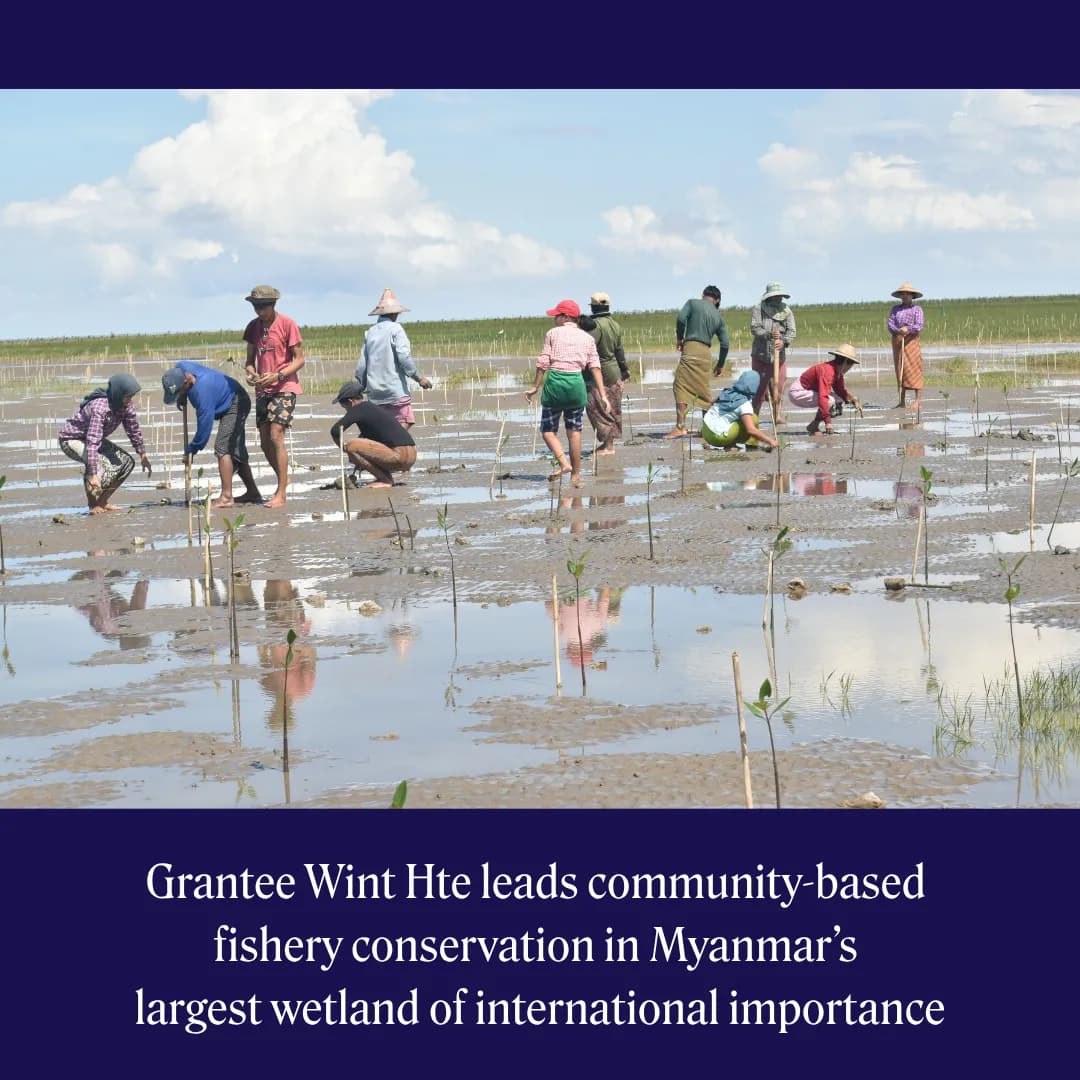
The Gulf of Mottama sits at the southern edge of Myanmar where the Sittaung River meets the Andaman Sea. Its intertidal mudflats stretch for miles at low tide, exposing feeding grounds for migratory shorebirds and nursery habitats for the fish that sustain the coastal communities along its shore. The Gulf of Mottama is recognized as a wetland of international importance under the 1971 Ramsar Convention, and is Myanmar’s largest Ramsar Site. It is also largely overlooked by funding and conservation efforts.
Wint Hte knows this land closely. From his work as the Coastal Resources Programme Officer at The International Union for Conservation of Nature, Myanmar, Wint has developed a deep understanding of species monitoring, social-ecological research, and the challenging task of helping communities build lasting, scalable, and effective approaches to conservation.
The Work Already Underway
The communities of Mon State’s Gulf coastline have already established Community Forests (CFs) and Fishery Conservation Areas (FCAs) — locally-managed systems that govern how forests are used and where fishing is permitted in order to avoid the overexploitation of these resources. Community Forest User Groups (CFUGs) and Fishery Conservation Groups (FCGs) are the community-based leadership cohorts which determine, record, and enforce these systems.These groups don’t need a new program — they need updating. Fish catch data needs to be recorded more meticulously, conservation zone regulations need to be refined, committee memberships need to be refreshed. With a $4,800 SOA grant, Wint Hte is doing that work across six villages, with plans for replication in neighboring communities built into the design.
Nine Meetings, Six Villages
Hte’s project engages six villages in nine meetings, within which forest committees will take stock of mangrove and plantation sites against existing plans, identify what has succeeded and where implementation has stalled, and produce updated documents to reflect current forest data and targets. The fishery committees will use meetings to review the effectiveness of seasonal fishing closures, upgrade catch tracking data management practices, and update community conservation standards.By the end of August, 2026, the six participating villages will have conservation management plans that are current, deliberate, and rooted in community knowledge.
Built to Expand
The second phase of Hte’s project is dedicated to spreading the knowledge developed in phase one. Hte plans to co-design workshops with the forestry and fishery committees, bringing representatives from villages to create conservation plans with community members rather than simply for them. After the meetings, each village will receive a reference guide in Burmese for managing forest or plantation sites.Over time, Hte hopes to involve 200 community members in cross-community learning. His intention is to replicate this project throughout neighboring villages as ideas spread naturally to nearby communities.
Built to Last
In 2025, SOA supported FCA management committees from three villages along the Sittaung River and helped enable community mobilization for fishery conservation projects. The upcoming project continues to develop those same committees, extending its scope to include forest conservation and expanding the number of villages and community members involved.The institutions that will carry this work forward are already in place. The CFUGs and FCGs have been functioning for years, building the habits, relationships, and local ownership that make lasting change possible. The summary guides, revised plans, and practical peer learning between villages are now embedded in how these groups function. These are not temporary project outputs; they are enduring local practices that will continue long after the grant period ends.
Myanmar Hub
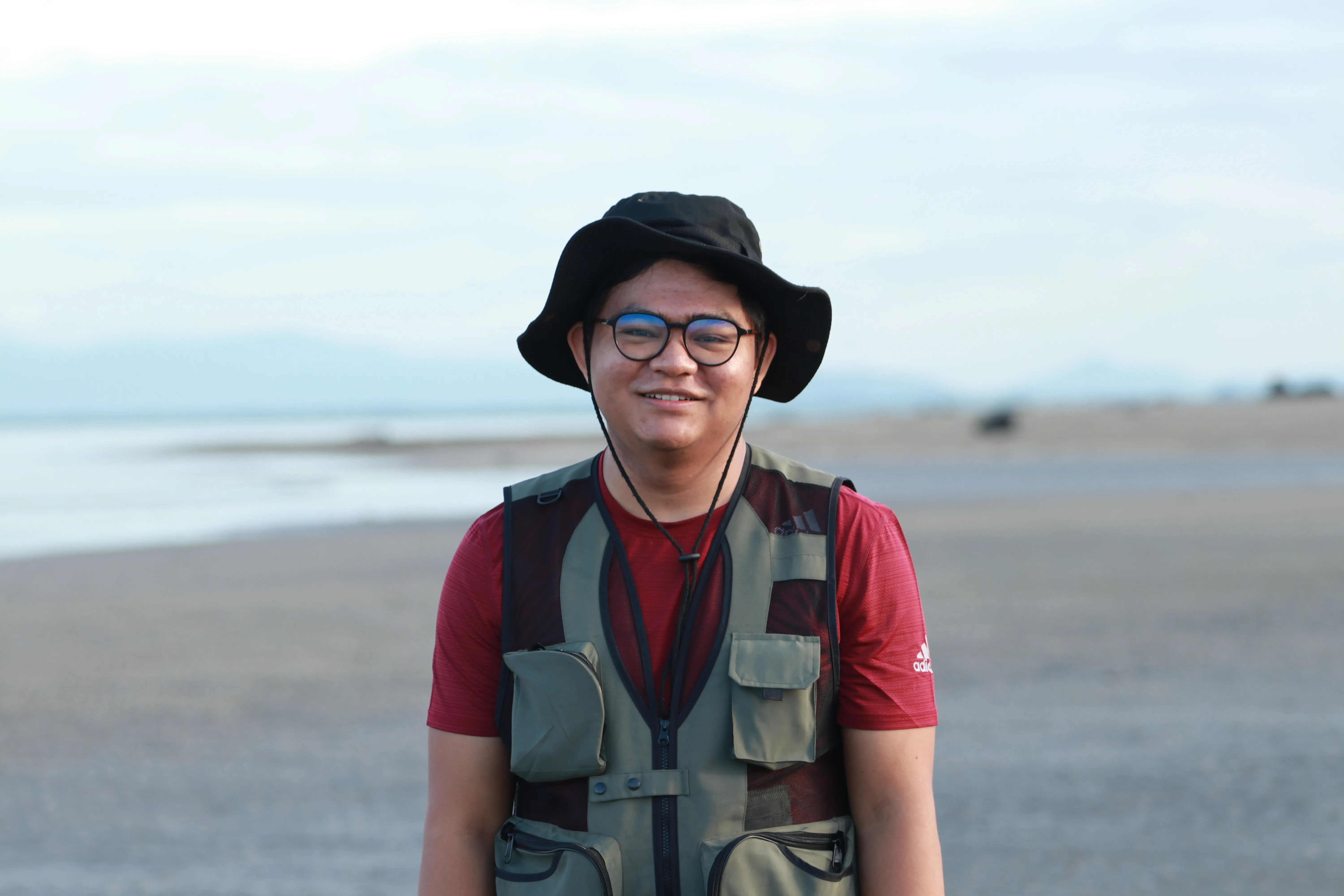
Wint Hte
Leader of Myanmar hub
A researcher previously working as Coastal Resources Programme Officer at IUCN Myanmar, holding a Master’s in Marine Environmental Protection at Bangor University as a Chevening scholar, working closely with local youths and communities in the Gulf of Mottama, Myanmar
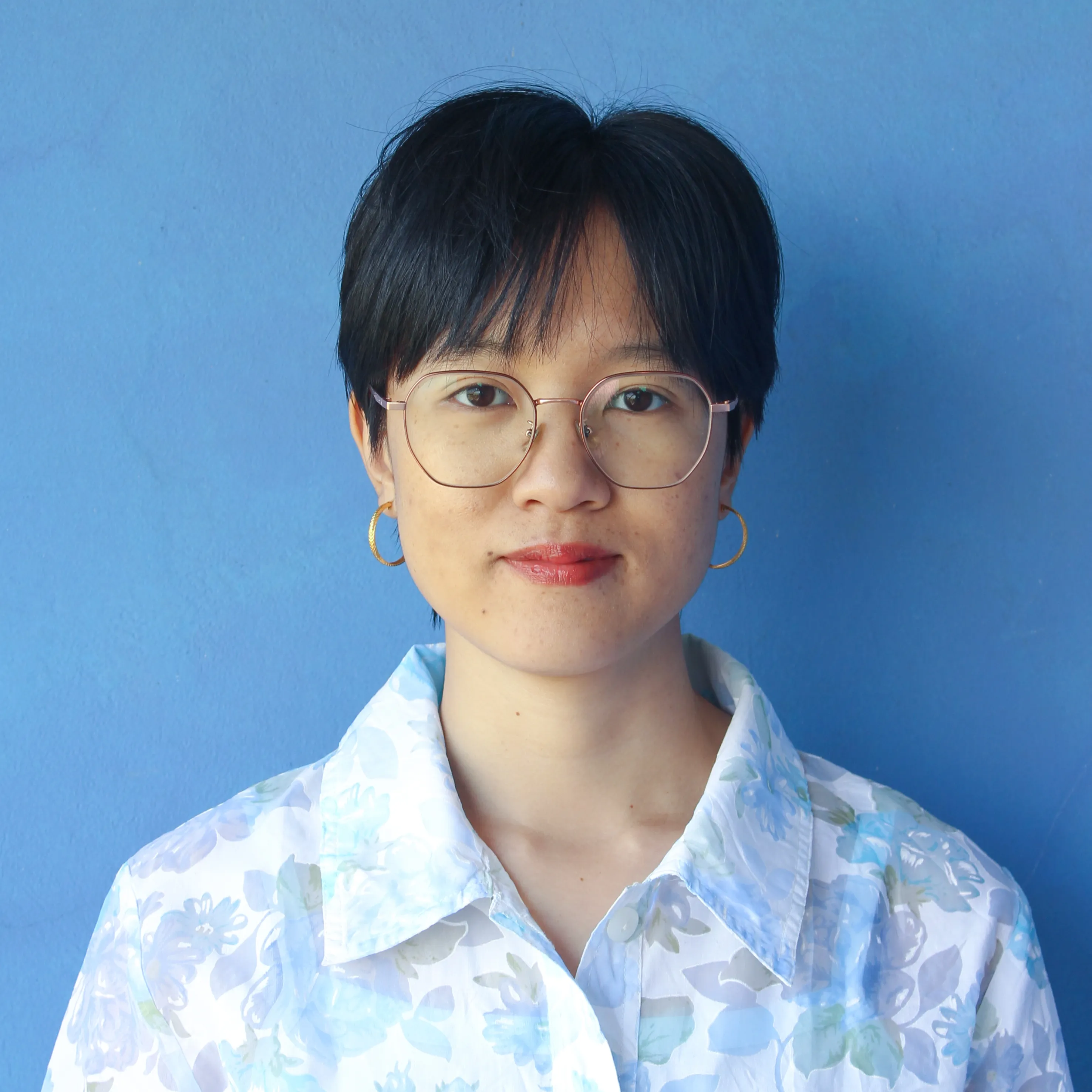
Zun Pwint Oo
Researcher
A dedicated conservation and research associate with over three years of working experience in conducting fishery and social-ecological research, collecting and analyzing data, organizing consultation meetings and supporting fishers to establish fish conservation zones for sustainable livelihoods
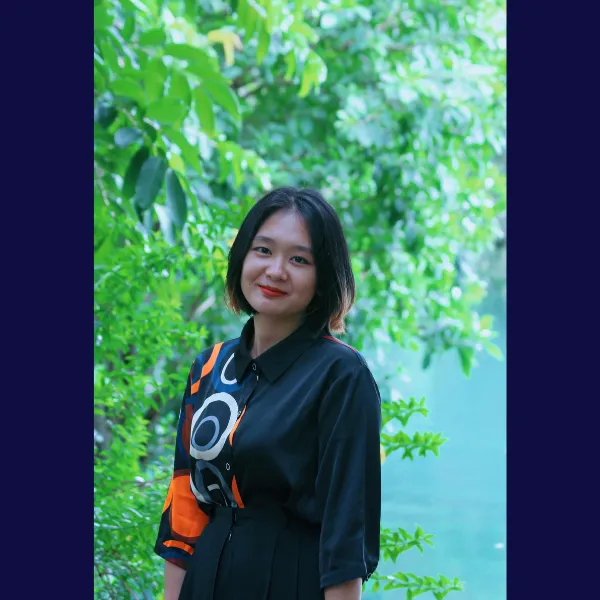
Zun Pyae Ooo
Researcher
A passionate coastal conservationist and researcher with five years of hands-on experience in conducting fisheries research, data collection and analysis, stakeholder engagement and community-based conservation