Grant Funding to Advance 30x30
SOA is accepting grant proposals from small organizations and local leaders making tangible progress toward 30% marine protection by 2030 (30x30)
Jul 03, 2026
Locally-Managed Marine Areas
Achieving the protection of a third of marine ecosystems by 2030 would be a game-changer: strengthening the climate-resilience of coastal communities, and enabling marine ecosystems and fish stocks to recover, enabling economic stability and food security to millions.
Unfortunately, we're not on track to meet this vision. As it stands, 10% of the ocean is protected, with less than 2% of the High Seas protected. At the current rate—.8%/yr since GBF adoption in 2022—we won't reach the target.
Closing this gap requires the people with strong community buy-in and deep knowledge of their waters to lead the design and governance of new protected areas. SOA believes those closest to the challenge are best equipped to propose durable, lasting solutions, and that’s where our grantees come in. We are requesting proposals from small organizations and local leaders working to tangibly advance progress toward 30% protection of marine areas by 2030—Target 3 of the Kunming-Montreal Global Biodiversity Framework (GBF)—by furthering the establishment and effective management of marine protected areas (MPAs) and other effective area-based conservation measures (OECMs).
We seek solutions advancing:
- the establishment and/or strengthening of MPA and OECM, especially those located in coastal/island areas of high biodiversity/low income
- traditional and Indigenous governance structures for small scale fishers (SSF) and locally-managed marine areas (LMMA)
- environmental leadership opportunities for people whose leadership is essential, including youth, women, and Indigenous people
- the establishment/development of small, community-based organizations dedicated to marine protection
Requirements:
- Organizations with an annual operating budget over $2M US Dollars (USD) in any of the previous three years are not eligible to apply
- The person submitting the application must be the entity that would receive the funds, or a person authorized to sign agreements and provide bank information on behalf of an organization
- Applicants must have the required permission to work in protected areas prior to applying
- Confine proposed activities and expenses to those yielding tangible progress updates within the first 6 months and final outputs within 18 months
- Ineligible recipient countries: Cuba, Iran, North Korea, Kosovo, Sudan, Syria
- Internet access and English proficiency
- Maximum grant amount for organizations: $15,000 USD; maximum grant to recipients not affiliated with an organization is $5,000
- Anticipated total amount grant funding awarded through this call for proposals: $50,000-$80,000 USD
- Proposals are reviewed and notified on a rolling basis within 4-6 weeks of submission
- Grants over $1,000 are sent in two wire transfers; 80% upon agreement and 20% after progress report
- Reports require documentation for all expenses as well as photo and/or video
- Use the budget template provided, noting that sub-grants and indirect expenses are not permitted
- All grant recipients will need to complete a W-8 form as part of the due-diligence process; U.S. taxpaying organizations and individuals will need to complete a W-9 form (see required forms in the FAQ)
- Email grants@soalliance.org with questions or for tech or language support in Spanish, French, or Portuguese
Have an action plan to protect your local waters? We would love to read it. Submit a proposal by August 3, 2026.
Understanding 30x30
Kunming-Montreal Global Biodiversity Framework (GBF) - Target 3 (30x30)
Indicator: coverage of protected areas and other effective area-based conservation measures
“Ensure and enable that by 2030 at least 30 per cent of terrestrial and inland water areas, and of marine and coastal areas, especially areas of particular importance for biodiversity and ecosystem functions and services, are effectively conserved and managed through ecologically representative, well-connected and equitably governed systems of protected areas and other effective area-based conservation measures, recognizing indigenous and traditional territories, where applicable, and integrated into wider landscapes, seascapes and the ocean, while ensuring that any sustainable use, where appropriate in such areas, is fully consistent with conservation outcomes, recognizing and respecting the rights of indigenous peoples and local communities, including over their traditional territories.”
Other area-based conservation measures (OECM) are not formally protected and may be managed for other reasons (socio-economic, cultural, spiritual) but provide long-term biodiversity and ecosystem functions. The WD-OECM was established in 2019 as a joint project between the UN Environment Program and the International Union for Conservation of Nature to provide indicators of progress toward biodiversity and area protection targets.
- MPA/OECM database
- The MPA Guide
- Key Biodiversity Areas (KBA)
- Areas of particular importance for biodiversity | Regions of high species richness
- Lower-Middle Income and Large Ocean/Small Island countries
More than 190 countries adopted the 30% protection target, but current estimates are that only about 10% of marine protected area coverage has been achieved. Most protections are in national waters—only about 1.6% of international waters are protected—and there’s insufficient data on how effective they are—only about 2% of marine areas have had management effectiveness assessed and less than .01% have reported data on equitable governance (UN Environment Program).
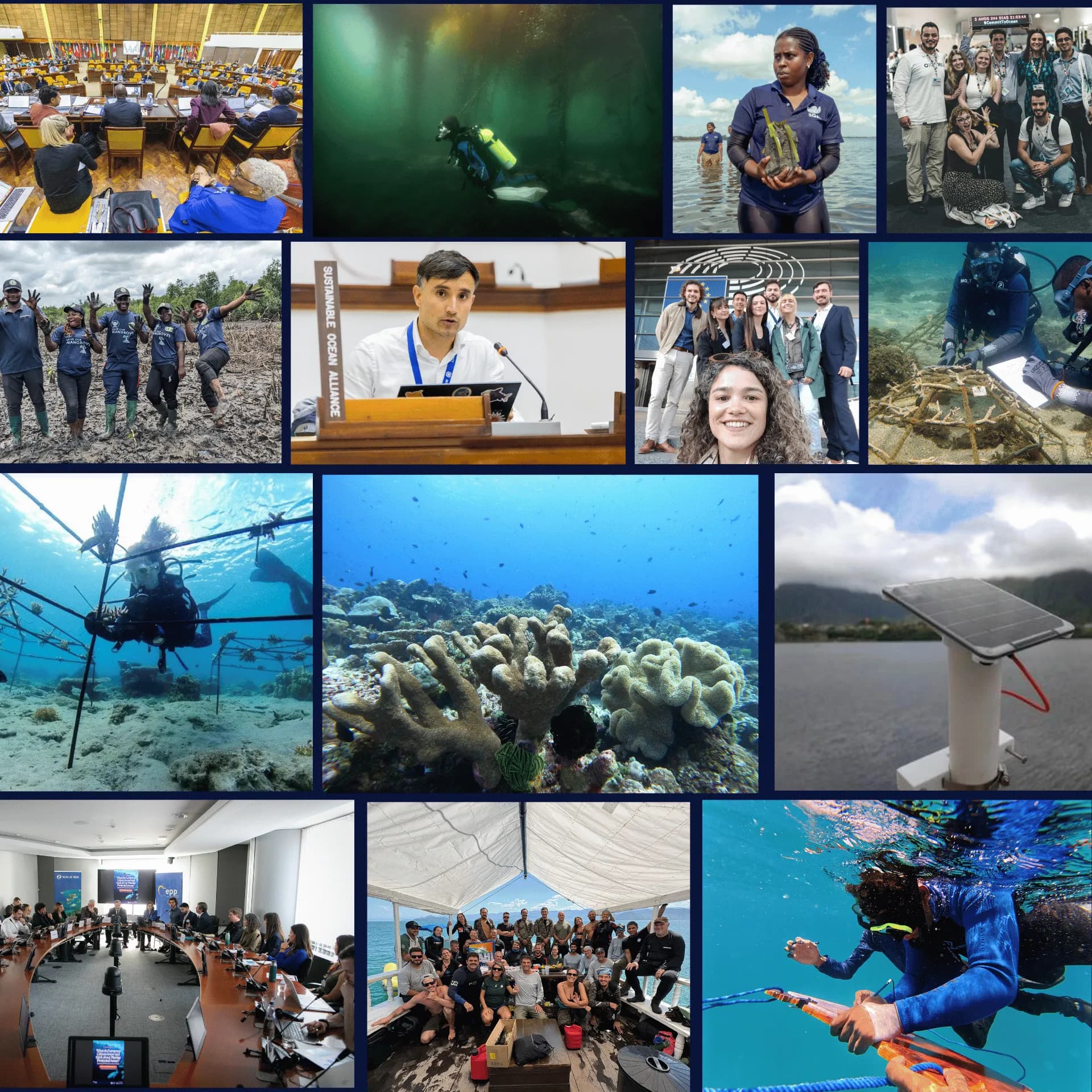
2026 Grantees Advancing Marine Protection
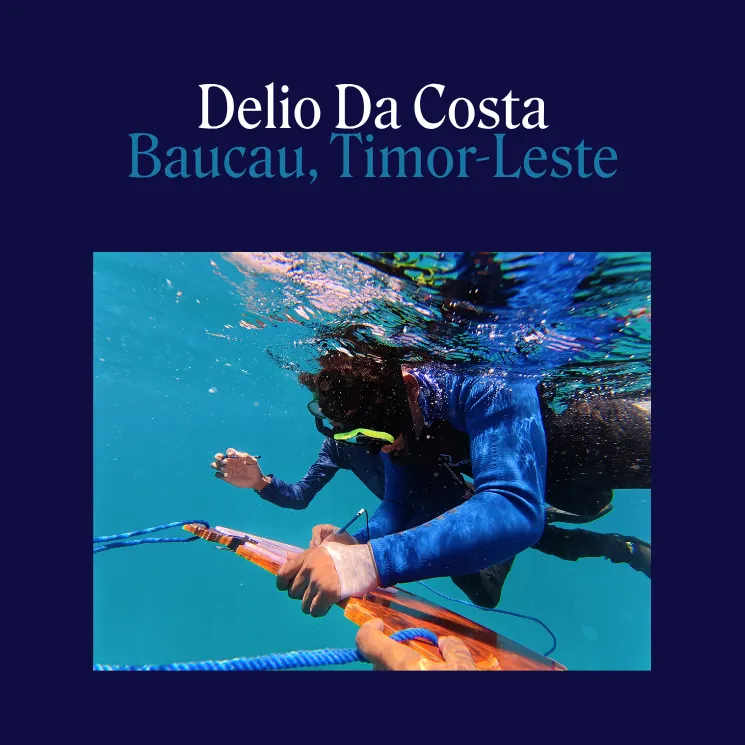
Enabling seven university researchers to collect data critical for MPA creation
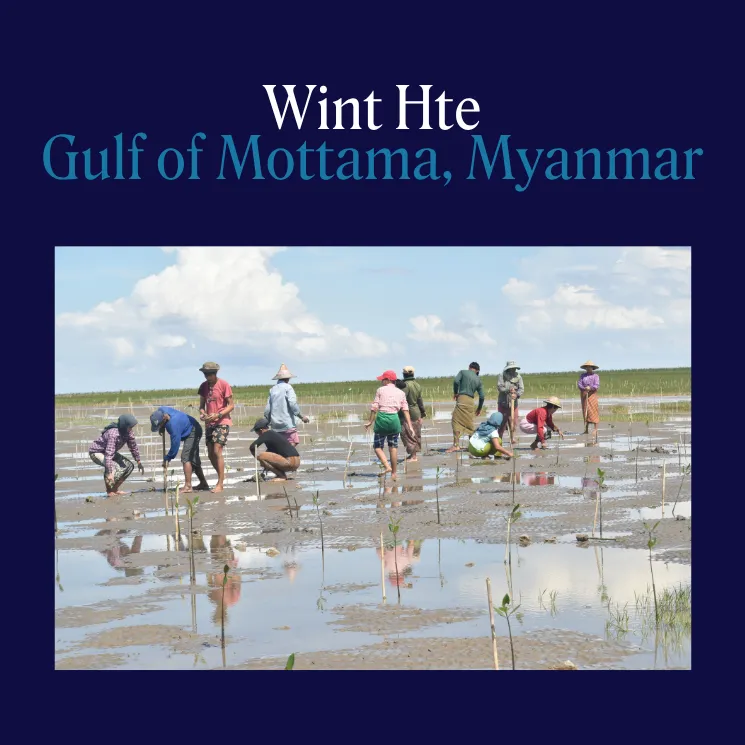
Conserving the largest wetland designated of international importance
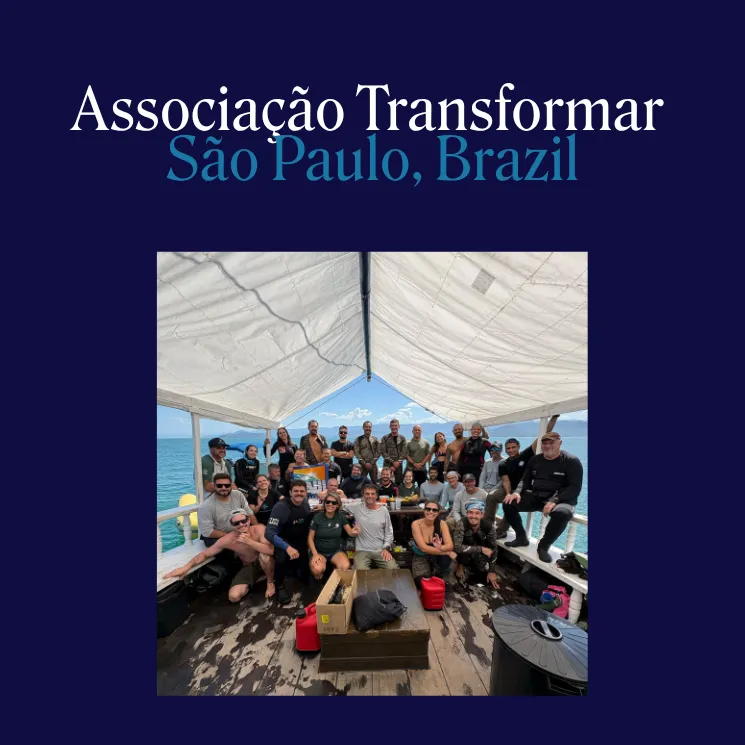
Impacting four MPAs through mangrove restoration & invasive coral removal
what we support
Read more in Stories